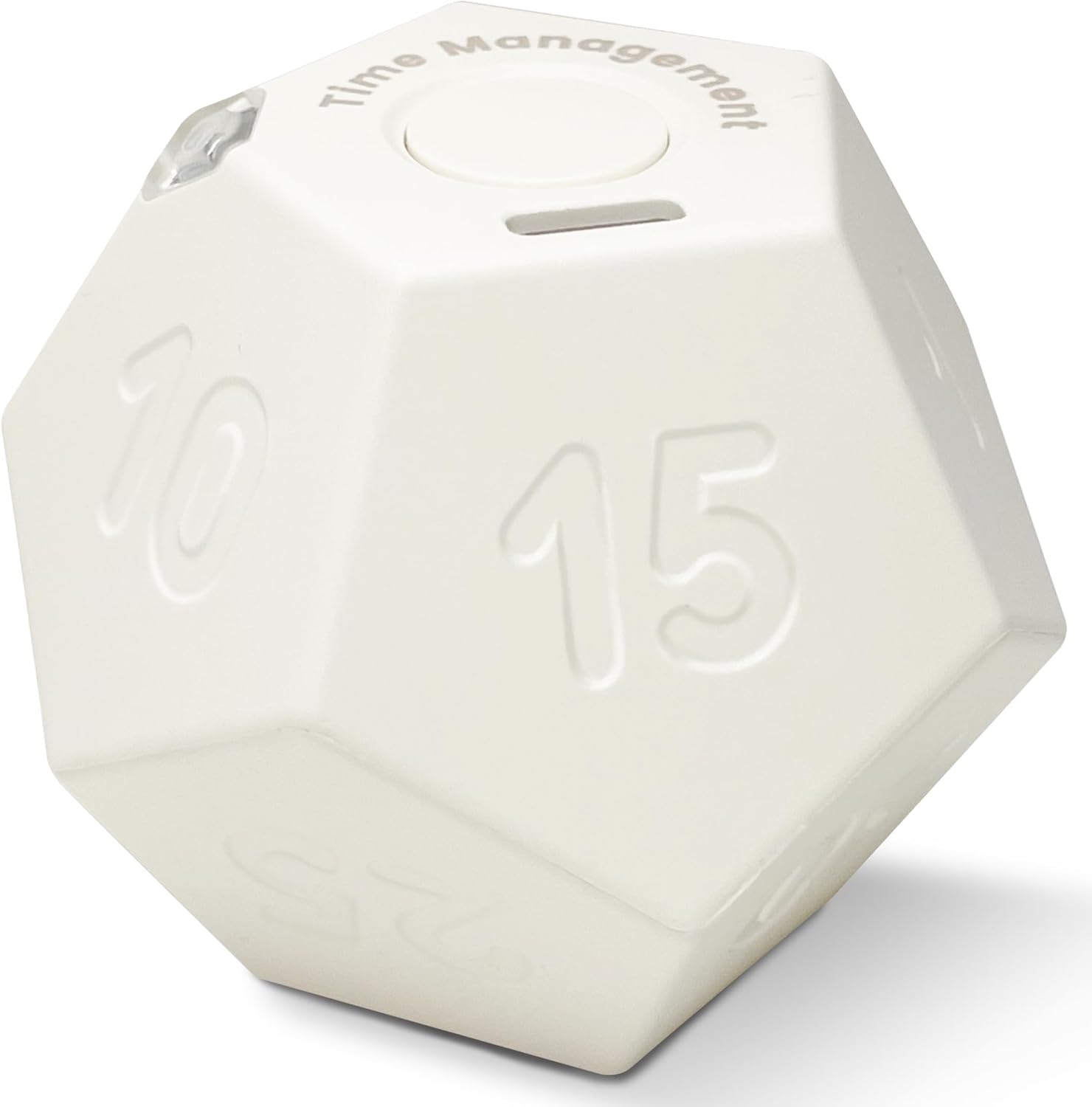
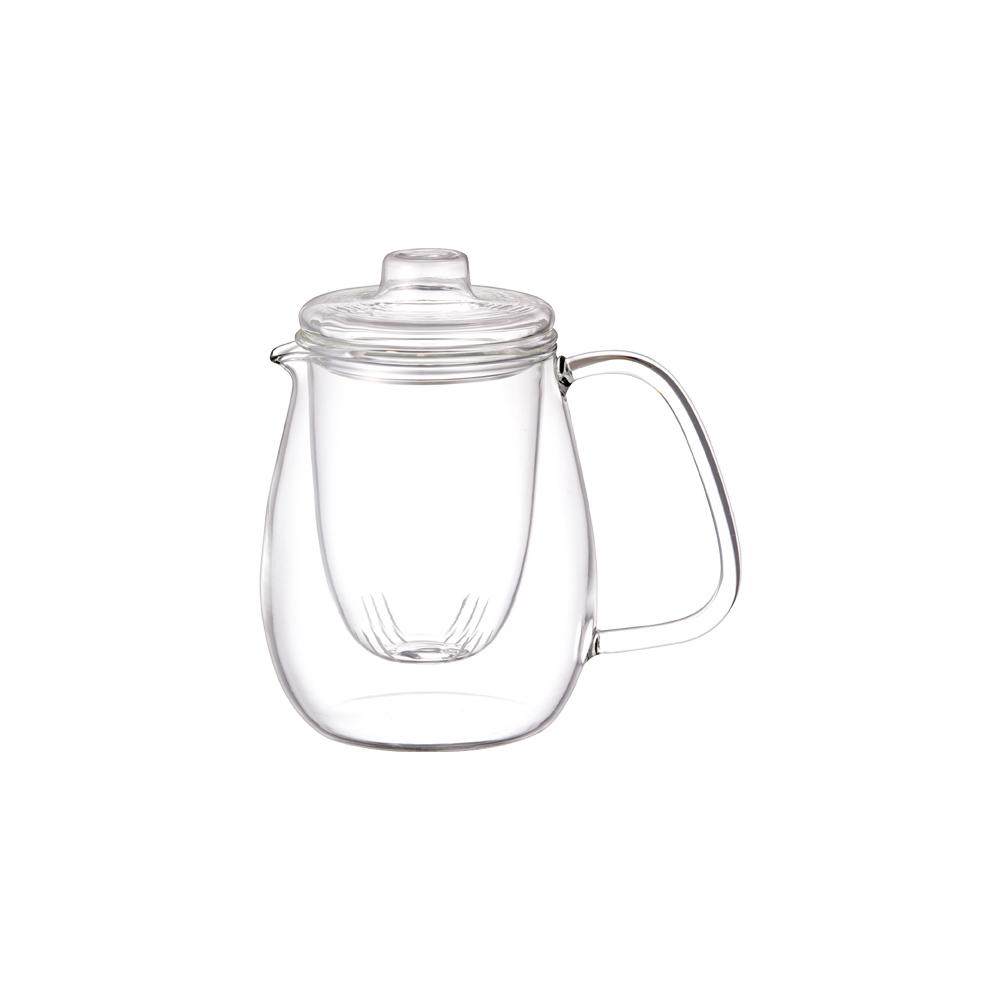
Kinto UNITEA Glass Teapot Review:
Why Watching Your Tea Steep Is Part of the Practice
A transparent teapot sounds like a minor design choice — until you notice how much attention it quietly asks of you.
🧺 Built-in strainer
📏 450 / 680 / 720 ml
🧼 Dishwasher safe
⚡ Quick Specs
| Type | Heat-resistant glass teapot with built-in stainless steel strainer |
| Capacity | 450ml / 680ml / 720ml options |
| Materials | Heat-resistant glass body, stainless steel lid strainer |
| Care | Dishwasher and microwave safe |
| Best for | Loose leaf tea (pairs directly with sencha, oolong, or herbal blends) |
| Maker | Kinto, Hikone, Japan (founded 1972) |
Why a Transparent Teapot Changes How You Brew
Most teapots are opaque on purpose — ceramic, cast iron, ornate ceramic-painted glaze. It’s a design choice that quietly turns brewing into a waiting game: pour, close the lid, walk away, come back when a timer says it’s ready. A glass teapot removes that option. You can see exactly what’s happening the entire time, which changes brewing from something you set and forget into something you actually watch.
Kinto’s UNITEA teapot is built specifically around that idea — and it’s worth understanding why that small design decision matters more than it seems for anyone using tea as a genuine mindfulness practice.
1. Langer’s Research on Noticing
Harvard psychologist Ellen Langer, in research including her classic study with Alison Piper, “The Prevention of Mindlessness” (1987), published in the Journal of Personality and Social Psychology, demonstrated that attention sharpens dramatically when a situation is framed as novel or conditional rather than fixed and familiar. Langer’s broader body of work defines mindfulness not primarily as calm, but as the active process of noticing new distinctions in something you’d otherwise take for granted — and shows this kind of noticing measurably increases present-moment engagement.
A transparent teapot works as a physical version of that mechanism. Because you can watch the leaves unfurl, the water darken, and the color shift in real time, there’s always something new to notice — which pulls attention back to the present moment far more reliably than an opaque pot that gives you nothing to watch. The design itself does part of the mindfulness work that would otherwise depend entirely on willpower.
2. Watching the Steep as Your Anchor
Resist the urge to walk away once the water is poured. Stay with the pot for the full steep — two to three minutes for most loose leaf teas — and treat the visible changes as the object of attention, the way a breath or a sound might anchor a seated practice. When the color looks right, that’s your cue to pour, not a kitchen timer telling you time is up.
3. Kinto’s Wabi-Sabi Design Philosophy
Kinto was founded in 1972 in Hikone, Japan, originally as a wholesaler of ceramic tableware, before shifting toward designing its own original products. The company’s design philosophy draws on wabi-sabi — the Japanese appreciation of imperfection, simplicity, and the passage of time — expressed through UNITEA and its other collections as an emphasis on how an object actually feels to hold, pour, and use daily, not just how it photographs. Kinto has since expanded internationally with offices and stores across the U.S., Europe, and Asia, while staying focused on a small number of well-considered product lines rather than chasing trend cycles.
Pros & Cons: An Honest Assessment
✅ What Works Well
- +Fully transparent body turns brewing into a visible, watchable process
- +Built-in strainer means no separate infuser is needed for loose leaf tea
- +Simple, minimal parts — easy to clean, dishwasher and microwave safe
- +Well-reviewed, established design (in production since the mid-2000s) rather than a trendy one-off
❌ Worth Knowing
- −Glass, so it requires more careful handling than a ceramic or stainless teapot
- −Some reviewers report the strainer’s fit loosening after extended daily use
- −Doesn’t retain heat as long as a ceramic or cast-iron pot for a slow, lingering session
Who Is This For?
FAQ: Kinto UNITEA Glass Teapot Questions
How long should you steep tea in a glass teapot?
Two to three minutes suits most loose-leaf teas. Pour when the color looks right rather than when a timer rings.
Is the Kinto UNITEA teapot dishwasher safe?
Yes, it is listed as dishwasher and microwave safe, though glass still needs careful handling.
What tea works best in it?
Any loose-leaf tea, such as sencha, oolong or herbal blends, since the built-in strainer holds the leaves.
🌟 Final Verdict: Kinto UNITEA Glass Teapot
The Kinto UNITEA teapot is a small, well-designed tool that does real work for a tea meditation practice — its transparency turns steeping into something worth watching, not just waiting on. Simple, well-made, and genuinely useful for anyone ready to move past the tea bag.