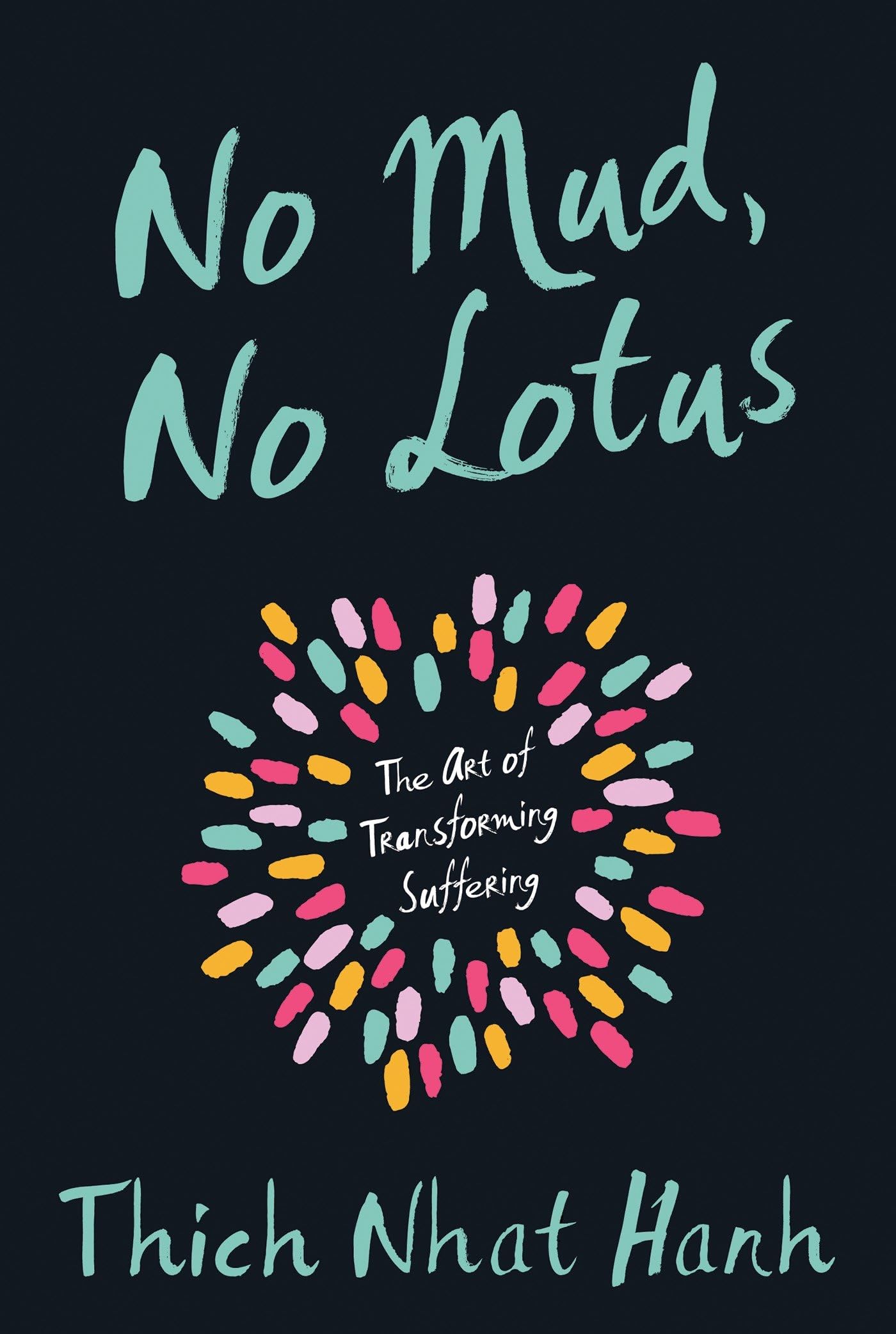
No Mud, No Lotus
The Art of Transforming Suffering
By Thich Nhat Hanh · 128 pages
Pushing a hard feeling away doesn’t make it disappear — it just adds the cost of not having faced it. This book is about the difference.
What This Book Is
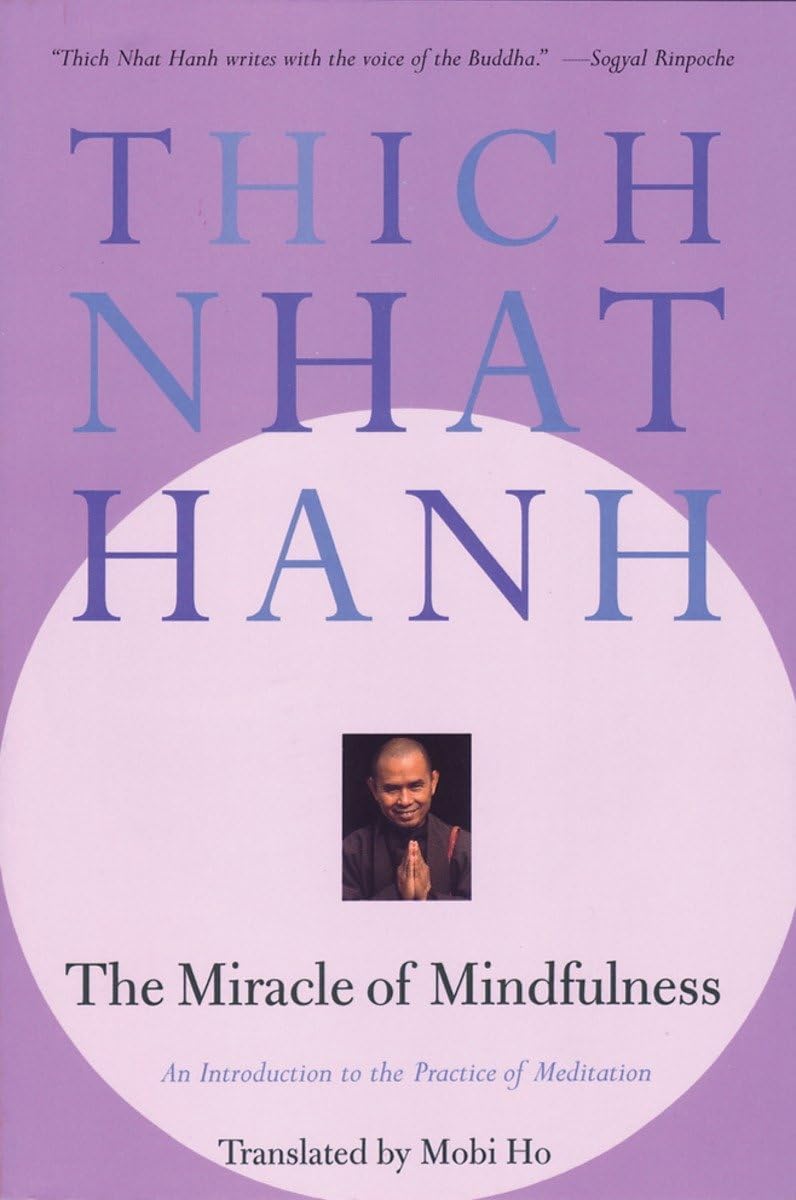
Most self-help advice on difficult emotions falls into one of two camps: distract yourself, or dig into why you feel that way. Thich Nhat Hanh — the Vietnamese Zen teacher behind Peace Is Every Step, The Miracle of Mindfulness, and Old Path White Clouds — offers a third option in this short, practical book: stay with the feeling, without being swept away by it or pretending it isn’t there.
No Mud, No Lotus walks through specific tools for doing that — mindful breathing paired with difficult emotions, short phrases to repeat when suffering is acute, and body-based relaxation for tension that’s been held rather than released. It’s a slim book, built for someone who already knows the basics of mindful breathing and is ready to bring that skill to the hardest part: the moments practice usually gets abandoned.
The Central Argument
The book’s central claim is blunt: suffering that gets pushed away doesn’t disappear — it just costs more to carry. Reaching for distraction (food, a screen, busyness) when a hard feeling shows up might quiet it for a moment, but the feeling is still there underneath, and now there’s the added cost of not having faced it. Thich Nhat Hanh’s alternative isn’t to fight the feeling or analyze it endlessly — it’s to hold it with the same quality of attention you’d give a crying baby: present, gentle, not going anywhere.
That distinction between avoiding a feeling and genuinely facing it has real physiological backing. In a landmark 2002 review published in Psychophysiology, Stanford University psychologist James Gross found that suppression — pushing a feeling down or hiding its outward signs — actually increases sympathetic nervous system activity (the body’s stress response) while doing nothing to reduce the felt intensity of the emotion itself. Reappraisal, or working with the feeling directly rather than pushing it away, was consistently the more effective strategy. In plain terms: the avoidance strategy costs the body more and helps the mind less.
The Buddhist Foundation: Where the Title Comes From
The book’s title and central image come directly from the Vimalakīrti Nirdeśa Sūtra, a foundational Mahayana Buddhist text. In its eighth chapter, the bodhisattva Mañjuśrī answers a question about where awakening actually comes from with an image rather than a doctrine: the lotus does not grow on the dry, high plateau — it grows in the muddy, low-lying marsh. Difficulty itself, in other words, isn’t an obstacle to be cleared before growth can start. It’s the material growth is made from.
Thich Nhat Hanh doesn’t just repeat the image — he builds a practice around it. Where the sutra offers the metaphor as insight, No Mud, No Lotus offers the specific mindful-breathing and body-awareness techniques for actually turning a given day’s mud into something workable, rather than leaving the metaphor as something to admire from a distance.
Who Should Read This
🌟 Final Verdict
Short, specific, and quietly one of the more useful books on this shelf for the days practice actually gets tested — not the calm mornings, but the hard afternoons. A worthwhile companion for anyone whose meditation habit needs to grow past the easy conditions it started in.
It won’t take up much shelf space, but it earns a spot in the exact moment a harder book would go unread — that’s the whole point of keeping it close.