Ora Organic Probiotic Review:
Does Gut Health Really Reach the Mind?
The idea that your gut and brain talk to each other is more than a wellness slogan. Here is what Ora Organic offers, what the research supports, and where it is still unproven.
🧬 11 studied strains
🌱 Plant-based
📦 Shelf-stable
⚡ Quick Specs
| Brand | Ora Organic |
| Type | Probiotic + prebiotic capsule supplement |
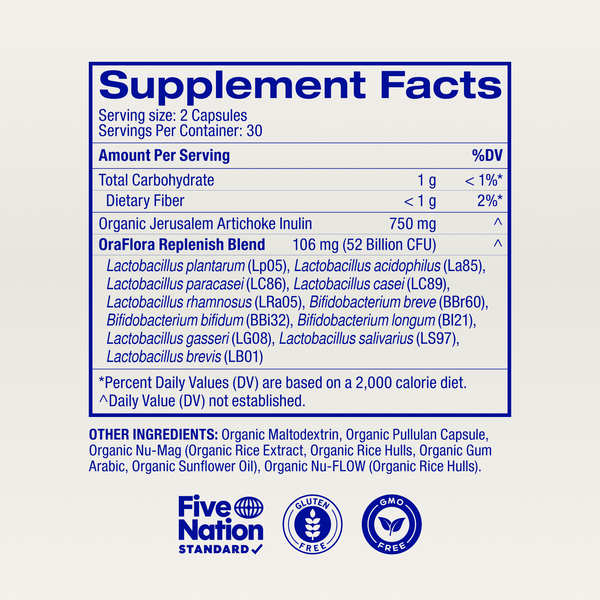
| Potency | 52 Billion CFU, 11 clinically studied strains |
| Prebiotic | 750 mg organic Jerusalem artichoke fiber |
| Certifications | Non-GMO, gluten-free, dairy-free, plant-based, third-party tested |
| Storage | Shelf-stable |
| Best for | Daily gut support alongside a fiber-rich diet |
The Gut-Brain Connection, Briefly
Your gut contains hundreds of millions of neurons and communicates with the brain through the vagus nerve, hormones and immune signals. This two-way line is called the gut-brain axis.
It also hosts trillions of microbes that influence digestion, immunity and some of the chemicals the brain uses, including precursors for serotonin.
That is why researchers are exploring whether the gut microbiome can influence mood, stress and sleep, and why probiotics have become a mainstream wellness topic.
The Ora Organic probiotic pairs a multi-strain capsule with a prebiotic fiber, one of the more complete options in the category.
1. What Is in the Capsule
Each capsule delivers 52 billion CFU from 11 clinically studied probiotic strains, along with 750 mg of organic Jerusalem artichoke fiber, which acts as a prebiotic, food for the bacteria.
The formula is plant-based, non-GMO, gluten-free, dairy-free and third-party tested, which makes it easier to fit into many diets. It is shelf-stable, so you do not need to keep it in the fridge.
Higher CFU does not mean better. Strain choice and consistent daily use matter more than a big number on the label.
💡 Keep in mind:A probiotic is a supplement, not a medicine. If you are pregnant, immunocompromised, taking medication or managing a health condition, talk to a doctor or pharmacist before starting one.
2. Probiotics for Mood: What the Research Says
Probiotics have reasonable evidence for some digestive issues, such as antibiotic-associated diarrhea and certain forms of irritable bowel symptoms, depending on strain.
Studies of probiotics on mood and anxiety are early. Some small trials report modest improvements in stress and low mood, but results vary, and the effects depend on the strain and the person.
Diet remains the foundation. Fiber, fermented foods, sleep and movement shape the gut microbiome more than any capsule. A probiotic can be a helpful addition, not a shortcut.
3. How to Take Probiotics Well
Take it consistently, at the same time each day, and give it at least four weeks before judging the effect. Take it with food unless the label says otherwise.
Some people notice mild gas or bloating in the first week as the gut adjusts. If that continues or gets worse, stop and speak to a health professional.
Pair it with plenty of fiber, fermented foods and regular meals. Pay attention to changes in digestion, energy and mood in a short daily note.
Pros & Cons: An Honest Assessment
✅ What Works Well
- +11 clinically studied strains in one capsule
- +Prebiotic fiber included
- +Plant-based and third-party tested
- +Shelf-stable, so no fridge needed
- +Clear labeling and certifications
❌ Worth Knowing
- −Mood and stress benefits are still early-stage research
- −Mild gas or bloating possible when starting
- −Not a replacement for diet or medical care
- −Supplement benefits vary between individuals
Who Is This For?
FAQ: Ora Organic probiotic Questions
Do probiotics really affect mood?
Early gut-brain research is interesting but mixed, and results depend on the strain. A probiotic is not a replacement for professional care.
When should you take a probiotic?
Follow the label. Consistency usually matters more than the exact time of day.
Who should talk to a doctor first?
Ask a doctor or pharmacist if you are pregnant, immunocompromised, seriously ill or taking medication. See also our Still Sitting oryoki bowl set review.
🌟 Final Verdict: Ora Organic Probiotic
Ora Organic is a solid, transparently labeled probiotic with a prebiotic included, and it suits people who want a plant-based daily option.
Treat it as one supportive habit among many. The strongest evidence is for digestion, and the mood connection is promising but unproven.