Most of us know the feeling of walking into a room full of piles and feeling the shoulders rise before we have done anything at all. Mindful decluttering is the practice of clearing a space slowly and with attention, asking of each object not “is this tidy?” but “does this belong in my life?” It is less about a perfect home and more about a home that does not pull at the mind.
It works best in small sessions, one drawer, one shelf, one surface at a time.
What Research Says About Clutter and Stress
A study by Darby Saxbe and Rena Repetti at UCLA, published in 2010 in Personality and Social Psychology Bulletin, looked at how people describe their homes and how their bodies respond. Participants in dual-income couples gave a video tour of their home and were later analyzed for the words they used, such as “clutter” and “unfinished” projects versus words about restful, nature-like spaces. The researchers also measured cortisol, the stress hormone, over several weekdays.
Here is how the study worked. Sixty spouses in dual-income couples each recorded a self-guided tour of their home, and software counted the words they used in four categories: clutter, a sense that the home is unfinished, restful words, and nature words. The clutter and unfinished categories were combined into a “stressful home” score, and the restful and nature categories into a “restorative home” score. Those scores were then compared with daily patterns of cortisol and mood across three weekdays.
In the wives’ data, women who described their homes with more stress-related words had flatter cortisol patterns across the day, which is associated with poorer health outcomes, and their mood grew more depressed as the day went on. Women who described a restful home showed steeper, healthier cortisol patterns and a mood that improved over the day. The cortisol findings held after accounting for marital satisfaction and neuroticism.
This was a small, correlational study, so it cannot show that clutter causes stress. It may be that stressed people notice clutter more. But it does show that how we experience our home is tied to how our body handles the day, which is a good reason to care about the space we come home to.
A larger survey adds a related picture. In 2016, Catherine Roster, Joseph Ferrari, and M. Peter Jurkat reported in the Journal of Environmental Psychology on just under 1,400 adults in the United States and Canada who described mild to severe clutter problems. Clutter was linked to a weaker sense of feeling at home, and the authors suggested that when possessions take priority over relationships and responsibilities, they can crowd out connection with other people. They also noted that a moderate, manageable collection can be a healthy form of self-expression; what separates a treasured collection from clutter is manageability and whether the attachment is healthy. The sample came largely from people who had sought help from professional organizers, so it does not represent everyone, and, like the first study, it shows links rather than causes.
The Buddhist Source Behind This Practice
The Dhammapada, verse 204, in Acharya Buddharakkhita’s translation, says that health is the most precious gain and contentment the greatest wealth. The verse doesn’t tell anyone to own less. It points at the real source of ease: contentment, the sense of having enough.
That is the heart of mindful decluttering. The aim isn’t an empty room, but a relationship with things that is honest and light. When we ask what we actually use and value, the mind gets practice at the same skill the verse describes: noticing what is enough.
Two other verses in the Dhammapada press the same point from the opposite side. Verse 186, in Acharya Buddharakkhita’s translation, says that not even a shower of gold coins can satisfy desire, and verse 187 adds that sensual pleasures bring little contentment and a great deal of distress. Read beside verse 204, the picture is consistent: more things do not produce a feeling of enough, but knowing what is enough does. That is a useful frame for the moment when you hold a sweater you have not worn in years and feel the pull to keep it “just in case.”
Noticing What Comes Up While You Let Go
Decluttering is rarely only about objects. Holding a gift you never liked can stir guilt, and holding an old textbook can stir pride or regret. The practice is to notice these reactions as they arise, instead of obeying or arguing with them. In the Discourse on the Foundations of Mindfulness (Majjhima Nikaya 10), the Buddha describes simply knowing a feeling as pleasant, painful, or neither as it appears. On a shelf of old things, that might sound like “guilty,” “tender,” or “bored,” named quietly and then followed by the next small decision.
This is our suggestion for applying the passage, not a technique drawn from the research above. Many people find that naming the feeling takes some of the pressure out of the choice. You do not have to resolve the guilt before you put a bag by the door. You only have to notice it and see what you want to do next.
How to Declutter Mindfully
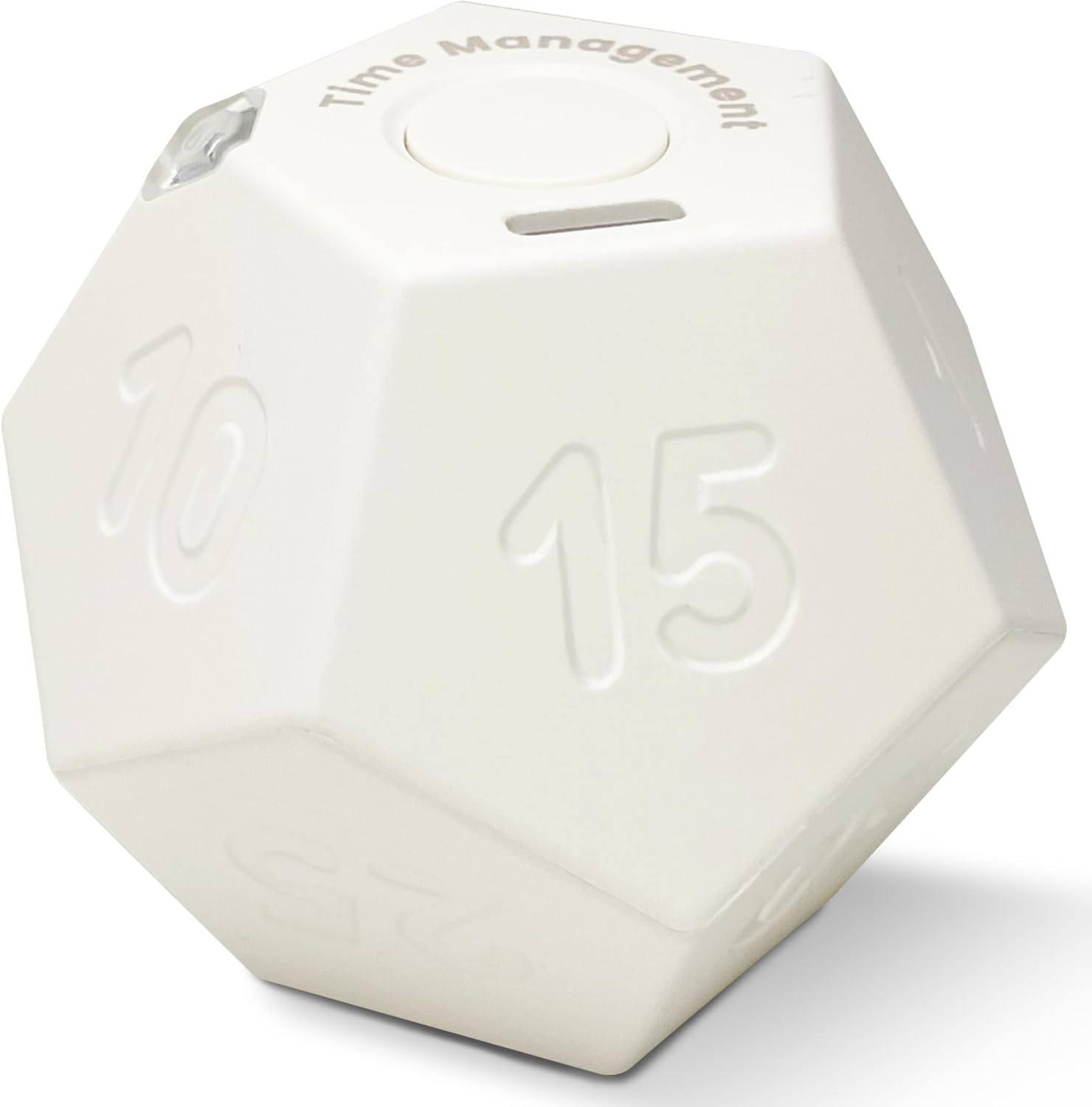
- Work in five-minute sessions. Set a timer, clear one small area, and stop when it rings. Short sessions are easier to repeat.
- Begin with one drawer or one shelf. A small, finished space gives a clear sense of progress.
- Hold each item and ask one question. Do I use this, or does it matter to me? Take one breath before deciding.
- Thank what you let go. A silent “thank you for your use” makes the decision feel kind instead of wasteful.
- Don’t buy storage first. More containers can hide the question instead of answering it.
- Stop while it’s still easy. Leaving a little energy for tomorrow keeps the habit going.
It helps to picture a first week. On the first day, take one drawer, the one you open most often, and clear only that. On the second, take a shelf. By the third or fourth day you will probably notice your own pattern: perhaps paper piles up, or clothes, or kitchen gadgets. Work on that category in short rounds and leave the rest alone for now. A small box labeled “undecided,” with a date a month from now, can hold the items you are not ready to decide on, and it takes the pressure off the moment.
Some objects carry memories, and those deserve more time. If an item connects you to someone you love or miss, you do not have to decide today. You can keep the one or two things that hold the memory most clearly and let the rest wait. In shared homes, ask other people about their own things rather than clearing for them, and begin with your own spaces so the practice stays kind rather than controlling. If clutter feels overwhelming, or leaves you distressed or unsafe in your own home, please consider asking a professional organizer, a counselor, or your doctor for support. A five-minute habit is a gentle starting point, not a replacement for help.
Keeping the habit going is mostly a matter of keeping it small. Five minutes a day tends to survive busy weeks better than a weekend marathon. Some people like to pair it with something they already do, such as clearing one surface while the kettle boils. Others find that a gentle rule helps, such as letting one thing go when a new thing comes in. If you slip for a week, that is not a failure; begin again with a single drawer. Over time you may notice that the point has shifted, from having less to knowing what you have, and from tidying for guests to making a home that feels lighter when you walk through the door.
Mindful decluttering won’t make a home perfect, and it isn’t meant to. If it gives you one calmer shelf and one clearer question about what you really need, it has done its job.
It can also help to measure success differently. Instead of counting bags or empty shelves, notice how a room feels when you walk into it tomorrow. Is there a little more space for the eye to rest? Is it slightly easier to find what you need? Those small, felt changes are the real result of the practice, and they are worth noticing before you decide whether to clear the next drawer.
To bring the same simplicity to the table, read Mindful Eating.
You may also like our guide to mindful dishwashing, another small household task that becomes practice when you slow down.
This article is part of the Learn library at Buddhism with Maitreya Dharma, where modern neuroscience and the Buddha’s teachings meet in practical, everyday language — no background in Buddhism required.