Silent Mind Tibetan Singing Bowl Review:
The Sound That Calls the Mind Home
Most people think a singing bowl is just a meditation timer. It’s also the fastest nervous system reset available when you don’t have time to sit — one strike, one tone, thirty seconds of genuine presence.
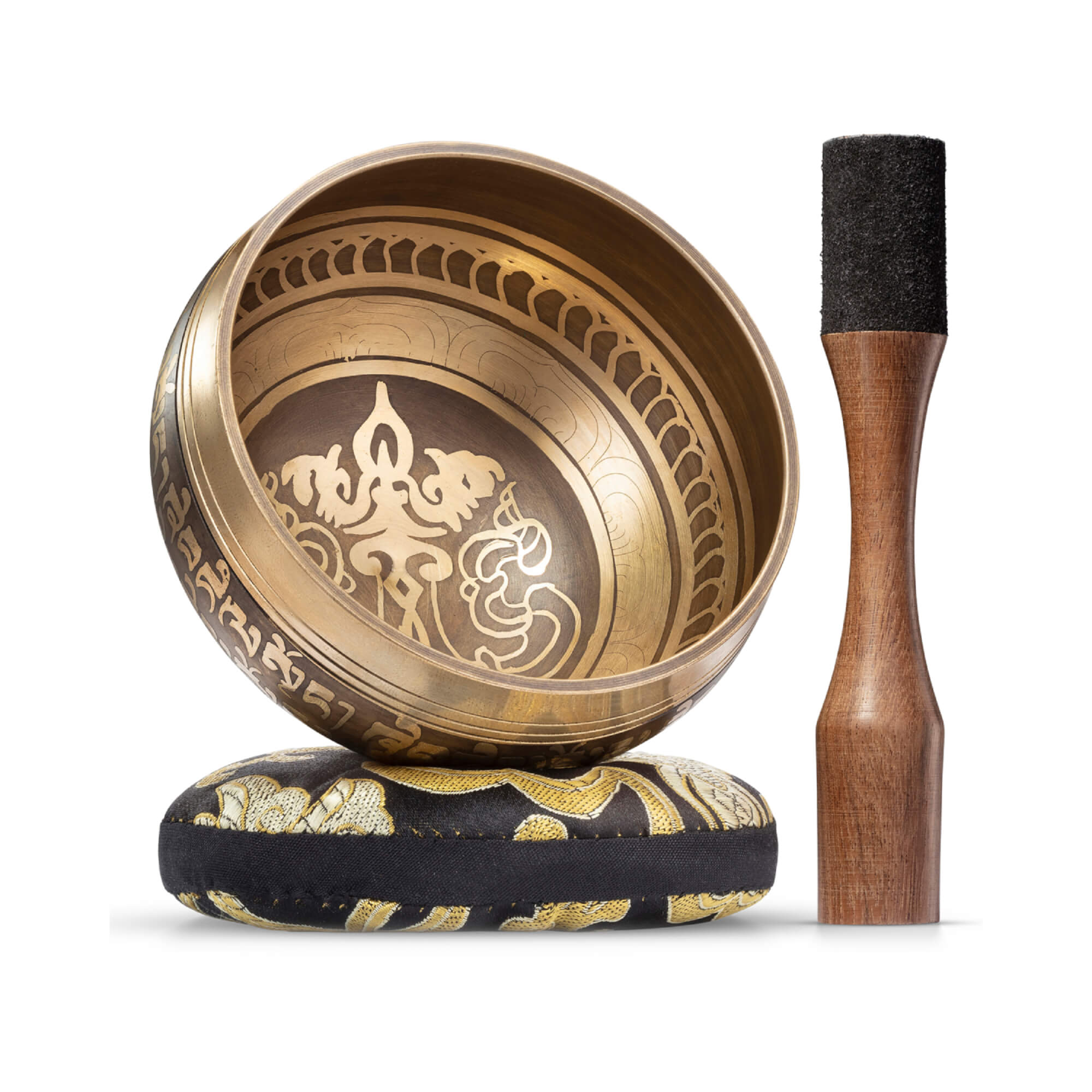
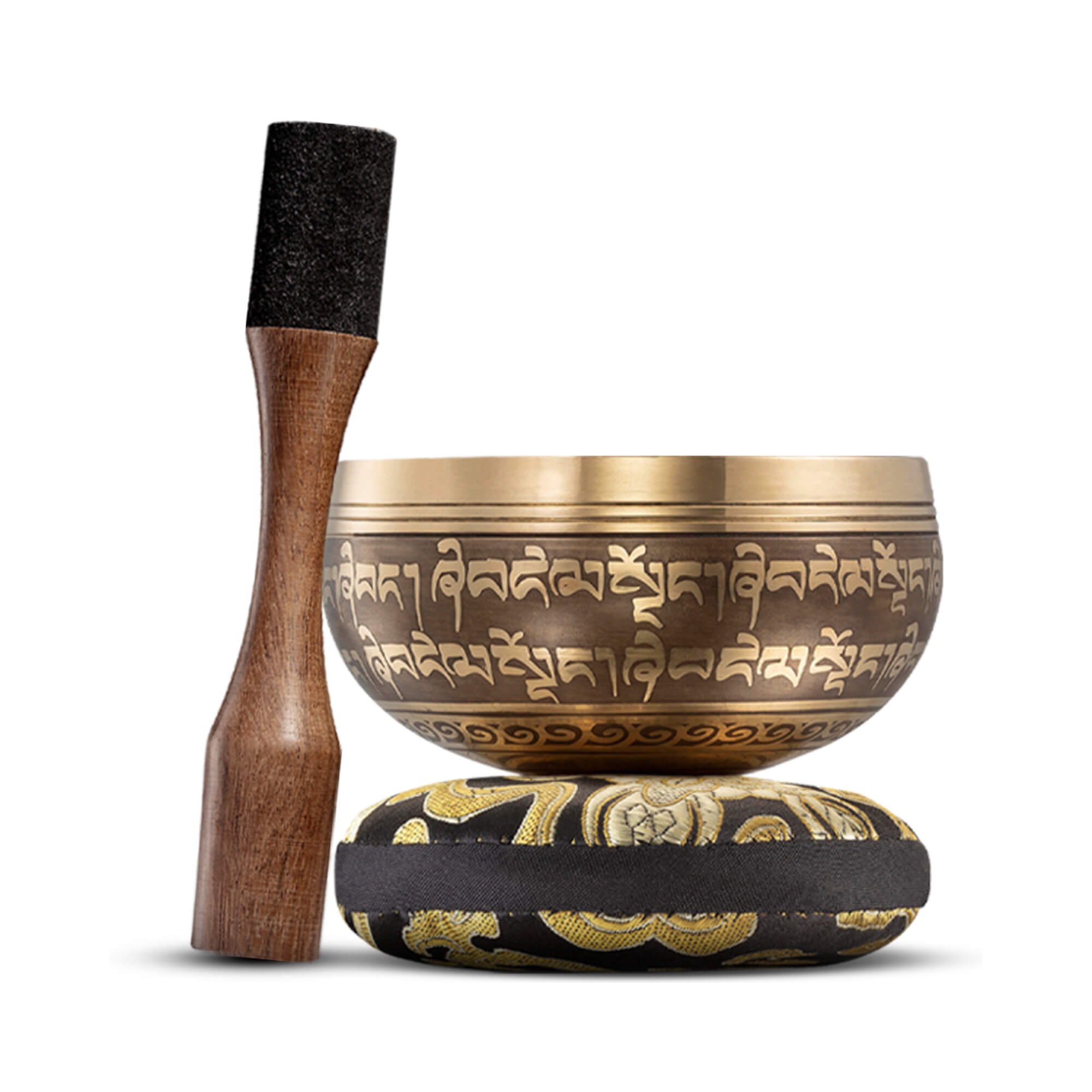
⚒ Complete set — bowl, cushion, mallet
🌟 4.6★ Overall Pick
🆕 Ready to give as a gift

⚡ Quick Specs
| Brand | Silent Mind |
| Material | Bronze alloy, Tibetan-style handcrafted |
| Includes | Bowl, ring cushion, striker mallet |
| Tone decay | 6–15 seconds sustained resonance |
| Best for | Session marker, micro-reset, interval bell |
| Extras | eBook, user guide, 3D sound bath audio |
| Rating | 4.6 ★ — Amazon Overall Pick |
The Three Ways a Singing Bowl Actually Gets Used
Most people assume a singing bowl is a meditation timer you use at the start and end of a session. That’s the most common use, and it works — the tone is distinct enough to signal transition without being jarring, and the slow decay eases the nervous system in rather than jolting it. But the more practically useful application is one that requires no sitting at all.
When stress accumulates during the day — a difficult conversation, a deadline landing, the afternoon weight of everything still undone — the mind gets stuck in what researchers call ruminative processing: looping through the same concerns without resolution. Striking a bowl interrupts this loop. The auditory cortex processes sound before the higher cognitive centers can redirect attention, which means the mind moves toward the tone before it decides to. For the duration of the decay — eight, twelve, sometimes fifteen seconds — attention is genuinely anchored to something other than the thought loop. That is enough to break the cycle.
The third use is interval marking in longer sessions. A strike every ten or fifteen minutes creates a gentle check-in: return to posture, return to breath, continue. This prevents the drift that happens when longer sits turn into extended daydreaming without the practitioner realizing it.
💡 The neuroscience: Sound is processed by the auditory cortex faster than visual input reaches conscious awareness. The slow onset and long decay of a singing bowl activates the orienting response — an involuntary shift of attention that is incompatible with sustained rumination. Research on auditory attention from the University of Wisconsin’s Center for Healthy Minds shows sound-based anchors are particularly effective for practitioners who re-engage with thought immediately after returning to the breath.
1. What Makes This Bowl Work for Beginners
The most common problem with singing bowls is that they require technique to produce a clean tone — a specific angle, pressure, and speed that beginners don’t instinctively know. The Silent Mind bowl is specifically designed to produce a clear, resonant tone from the first attempt. The bronze alloy and size are calibrated for consistent response across a wide range of striking angles. You don’t need to learn the bowl before it’s useful.
The included cushion ring keeps the bowl stable in the palm without damping the resonance — a detail that cheaper sets often miss. The striker is appropriately weighted and padded, which matters: an underweight striker produces a thin, short tone, while an overpadded one produces a dull thud. This one produces a mid-range tone that sustains for long enough to follow attentively.
2. Using It Mindfully
Hold the bowl in the palm of your non-dominant hand with the cushion beneath it. Strike the rim gently at a slight downward angle — not the bowl face, the rim. Let the tone fully decay before deciding whether to strike again. If using as a micro-reset during the day, one strike is enough. Follow the sound as it fades until nothing remains, then notice what the mind does in the silence that follows.
For session marking, strike once at the beginning and once at the end. The simplicity compounds over time: after weeks of consistent use, the sound begins to function as a conditioned signal, and the nervous system starts shifting before the stroke is finished. The bowl trains the transition, not just the session itself.
Pros & Cons: An Honest Assessment
✓ What Works Well
- +Clear tone from first use — no learning curve required
- +Works as micro-reset, session marker, and interval bell
- +Complete set — nothing additional needed to begin
- +Bonus eBook and 3D sound bath audio included
- +Thoughtful gift — traditional design, gift-ready packaging
✗ Worth Knowing
- −Not as complex or long-sustaining as a hand-hammered antique bowl
- −Small size — tone is mid-range, not deep bass
- −Requires a flat surface or stable palm hold — keep cushion under it
Who Is This For?
FAQ: Silent Mind Tibetan Singing Bowl Questions
What comes with the Silent Mind singing bowl?
The bowl, a ring cushion and a striker mallet, plus an eBook, a user guide and 3D sound bath audio.
How long does the tone last?
About 6–15 seconds of sustained resonance, which suits session markers, micro-resets and interval bells.
Is it a deep, antique-style bowl?
No. It is a mid-range handcrafted bronze-alloy bowl, not a hand-hammered antique with a long deep sustain.
🌟 Final Verdict: Silent Mind Tibetan Singing Bowl
The Silent Mind bowl earns its place in a practice space because it does more than mark time. It provides a physical, sound-based anchor for the mind that works whether you have twenty minutes or thirty seconds. The tone is clear, the set is complete, and the design is traditional without being precious. At $24 it’s one of the most versatile tools available for someone building a daily practice.
Keep it where you can see it. A practice tool that lives in a drawer doesn’t become a practice.