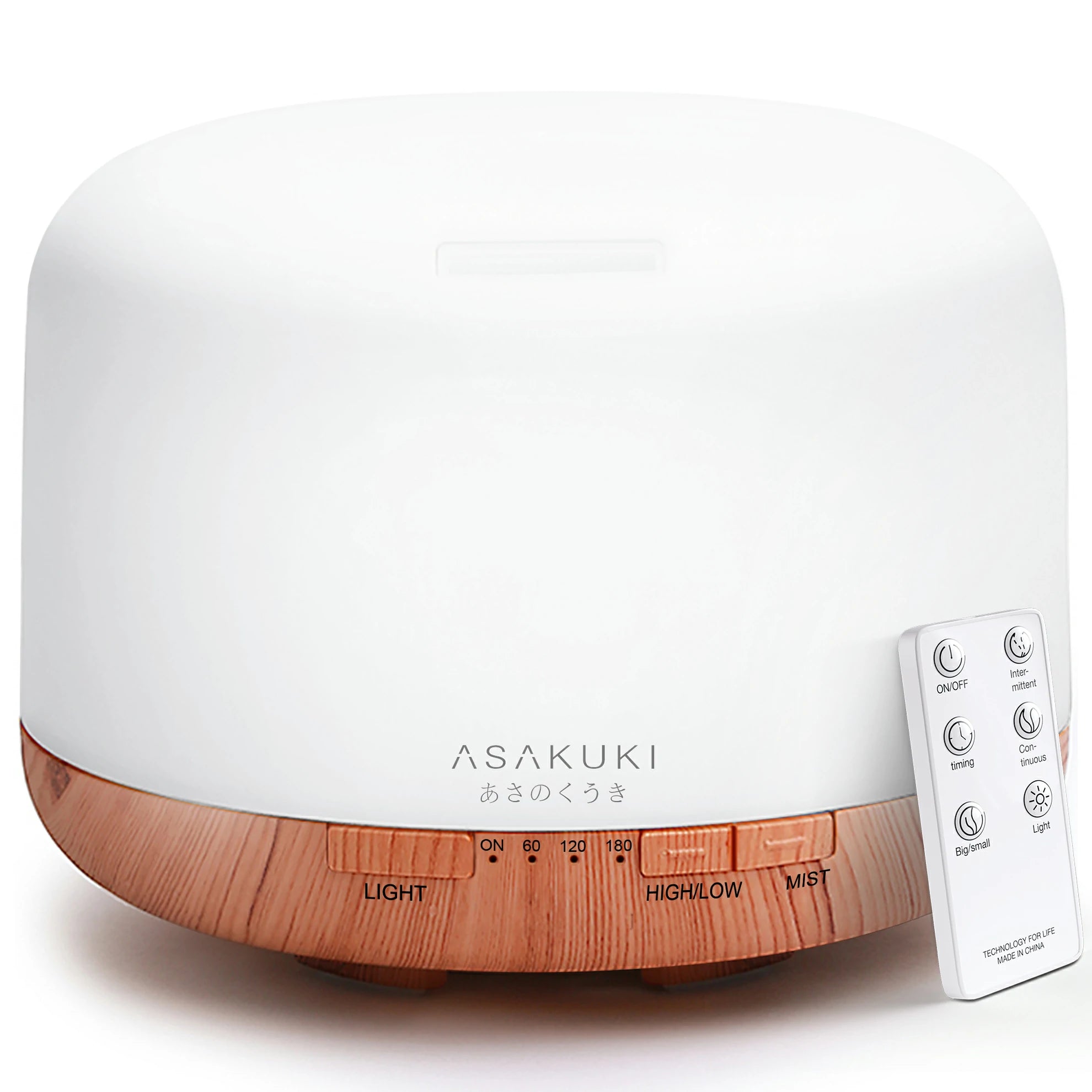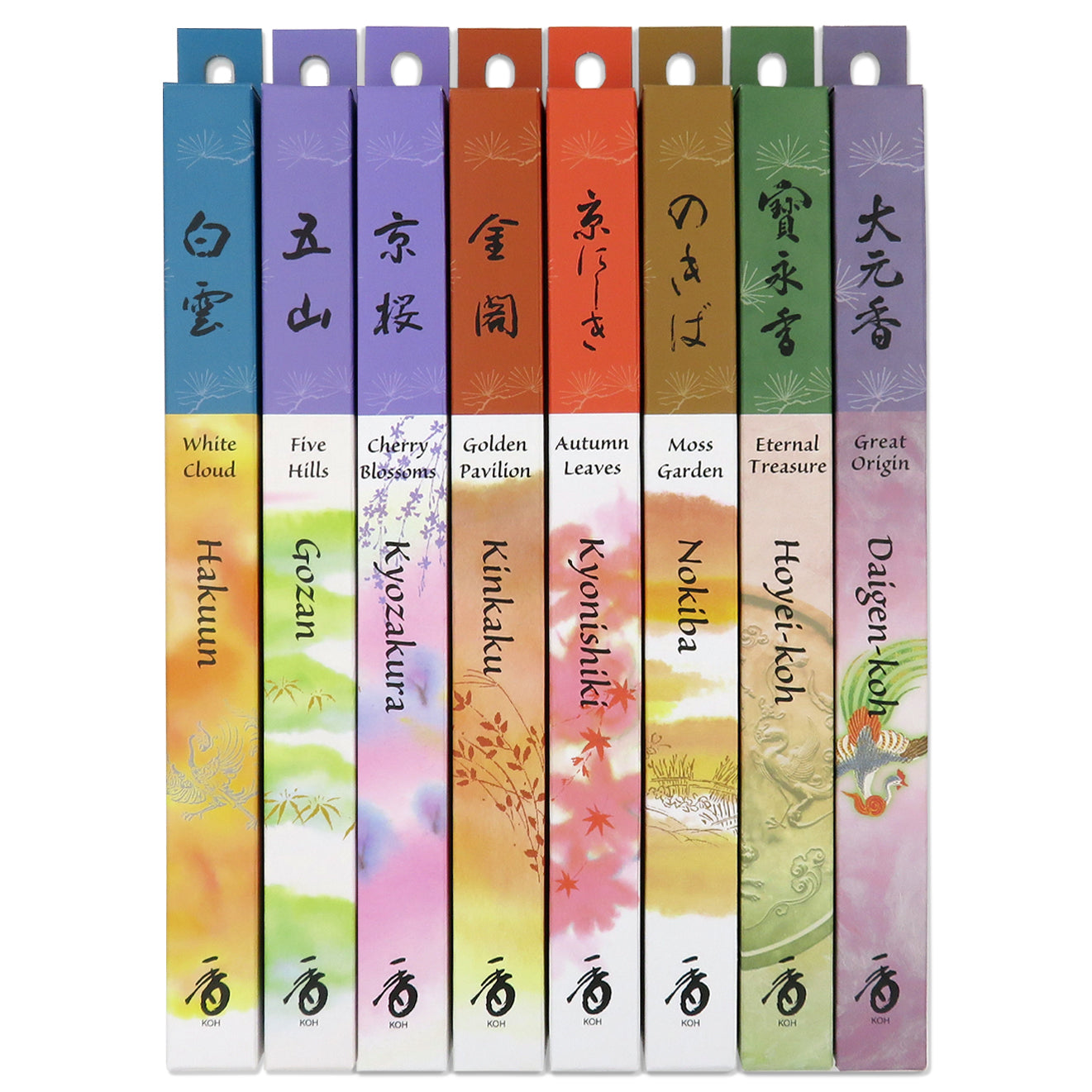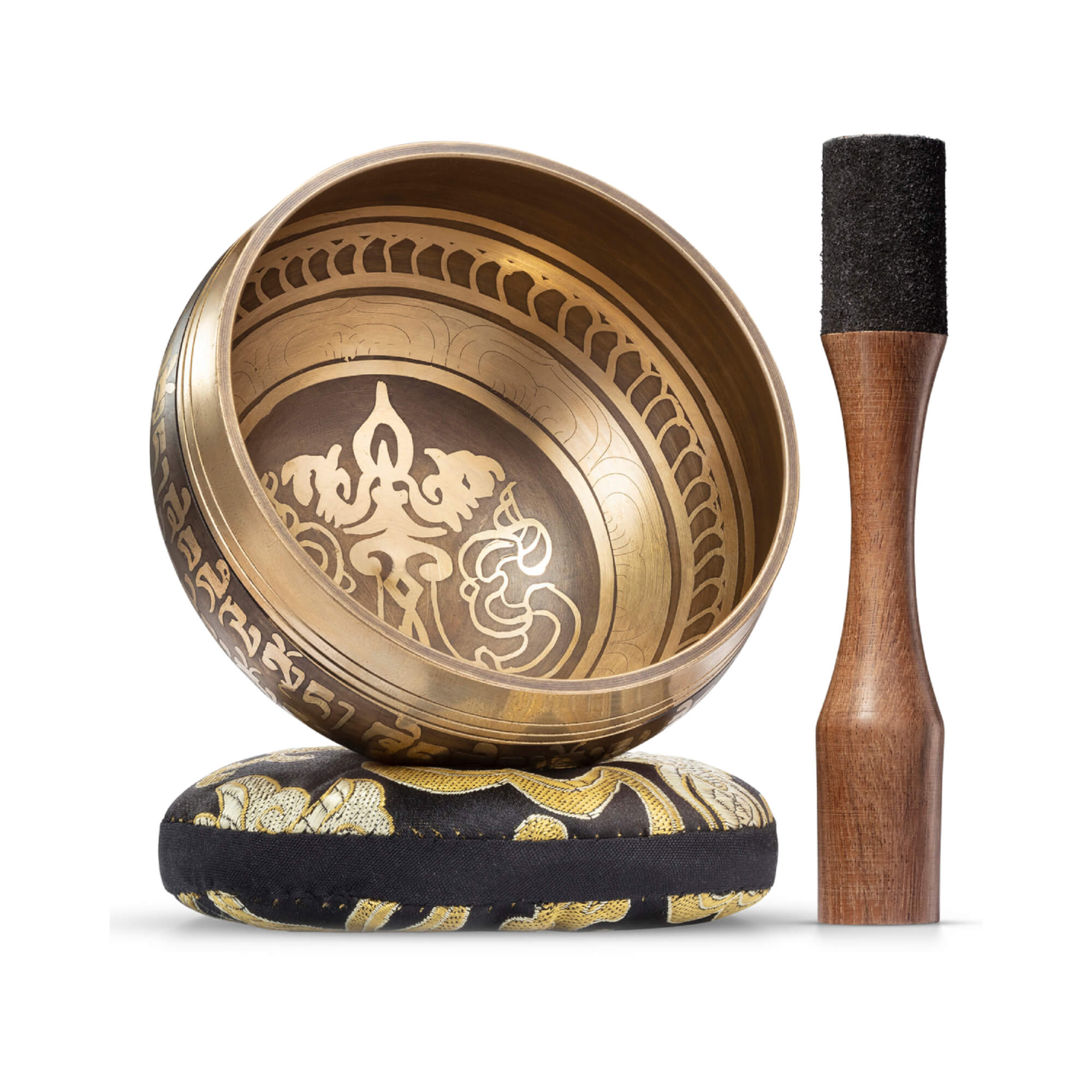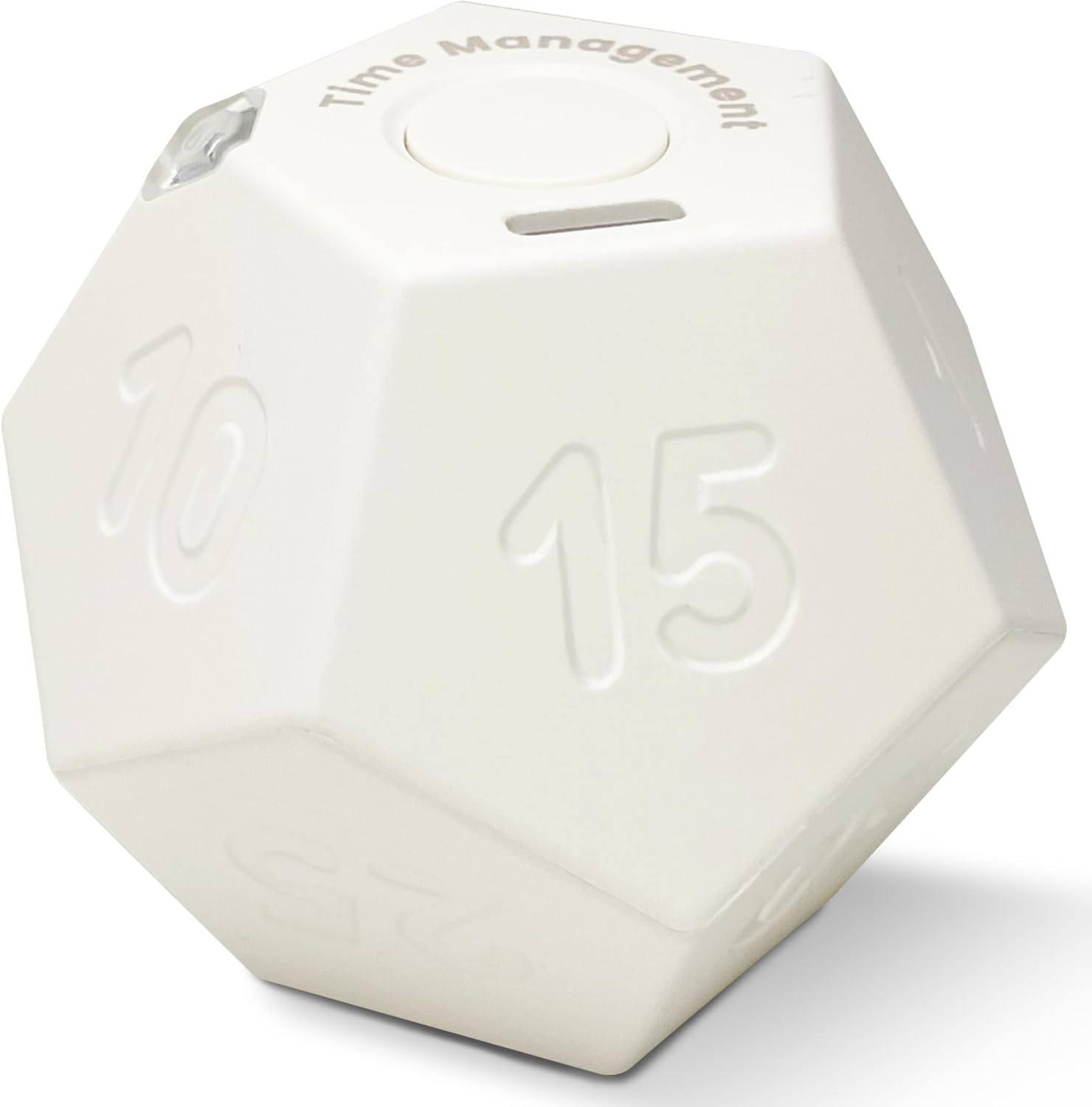
Most of us don’t fall asleep badly because we’re bad at sleeping. We fall asleep badly because we go straight from a bright, busy day into a dark bedroom and expect the mind to switch off on command. An evening wind-down routine is the missing bridge: a short, repeatable stretch of time that tells your body the day is finished.
It doesn’t need to be elaborate. It needs to be dim, slow, and the same most nights.
Why Dim Light Is the First Step in a Bedtime Routine
A study led by Joshua Gooley and colleagues at Brigham and Women’s Hospital and Harvard Medical School (2011), published in the Journal of Clinical Endocrinology & Metabolism, tested what ordinary indoor lighting does to the body’s sleep hormone. Over five consecutive days, 116 healthy volunteers aged 18 to 30 spent the eight hours before bedtime in either typical room light or dim light.
The difference was large. Compared with dim light, regular room light delayed the start of melatonin production in nearly every participant and shortened its duration by about 90 minutes. In plain terms, bright evening light shortened the body’s internal sense of how long the night was. The researchers noted that the volunteers were young and healthy and that the study didn’t test sleep quality directly, so it’s best read as a clear signal about the light itself, not a promise about any one person’s sleep.
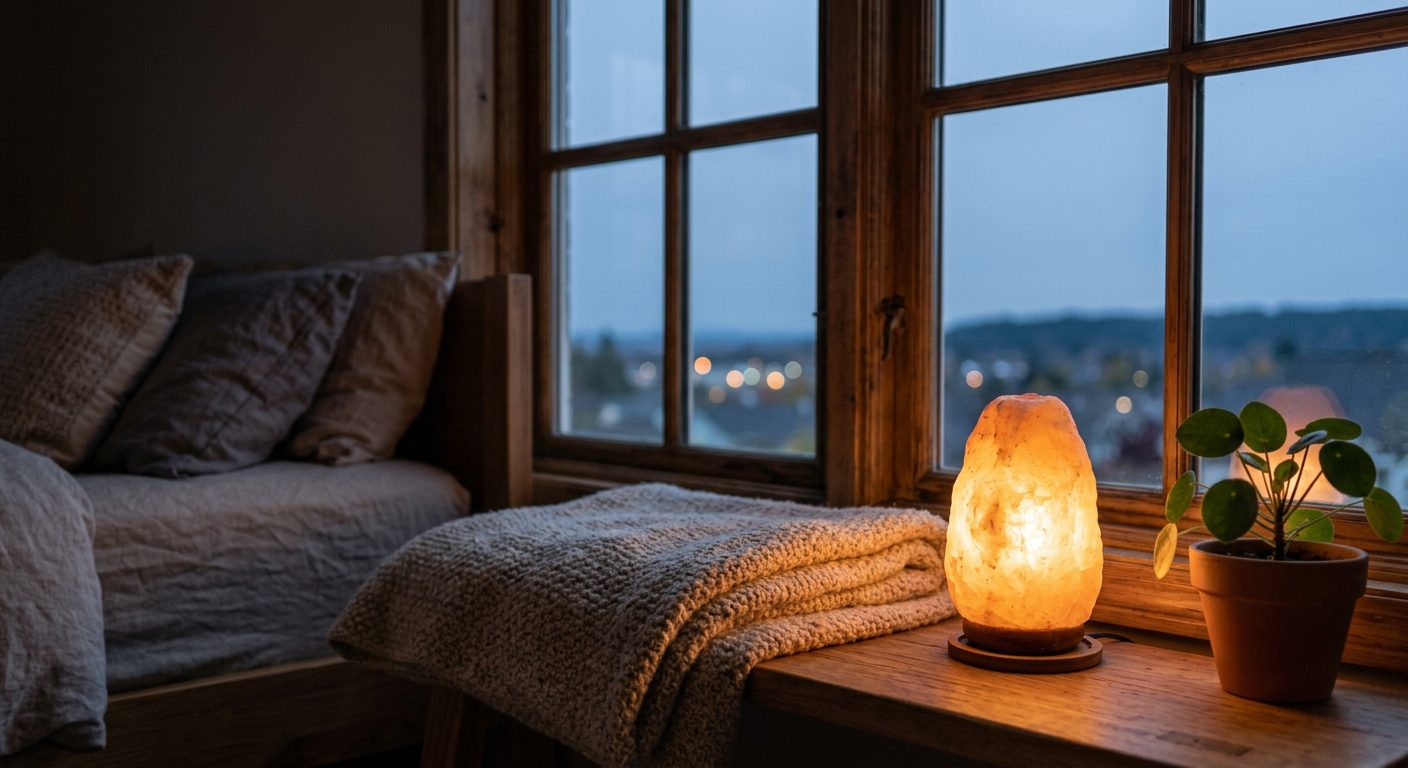
That makes the first move of any bedtime routine simple: lower the lights an hour or two before bed, and let warmer, dimmer light do the work that overhead bulbs can’t.
The Buddhist Source Behind This Practice
The Buddha spoke about sleep directly in the Mettanisamsa Sutta (Anguttara Nikaya 11.16), which lists eleven benefits of cultivating goodwill. The very first benefit on the list is that a person sleeps easily, and the second is that they wake easily.
What’s worth noticing is the cause the sutta names. It isn’t a better mattress or a stricter schedule. It’s the state of the heart at the end of the day. A mind that has spent the evening rehearsing grievances is a mind still working. A mind that has turned toward wishing others well, even for a few minutes, is already settling. The routine below borrows exactly that: use the last quiet minutes of the day to soften, not to review.
How to Build an Evening Wind-Down Routine That Lasts
- Pick a start time, not a finish time. Begin the routine at the same time most nights. The body learns the cue faster than it learns a bedtime.
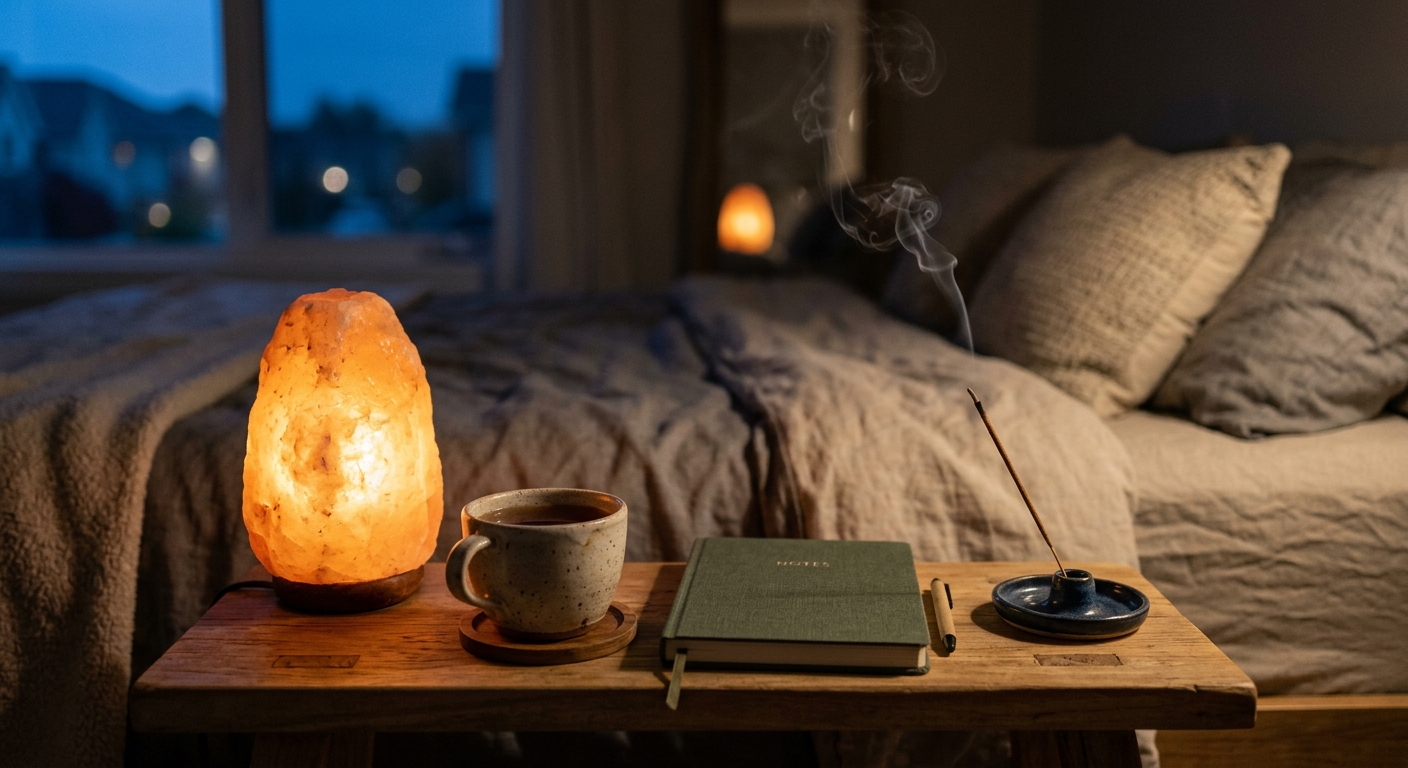
- Dim the room first. Switch off overhead lights and use one low, warm source instead. This is the step with the strongest evidence behind it.
- Put the day down on paper. Write tomorrow’s three tasks, then close the notebook. The mind lets go of a list it believes is safely stored.
- Add one sensory cue. A scent, a warm drink, or a lit candle works as a signal that this is a different time of day. Repeat the same cue and it starts to work on its own.
- End with goodwill. Silently wish three people well, including one you find difficult. Keep it to a minute or two.
- Keep screens out of the last stretch. If you need one, lower the brightness and move it out of arm’s reach before the final ten minutes.
A good wind-down routine is less about sleep tricks and more about a daily act of closing: closing the screens, closing the list, closing the day with a little kindness. Do that on most nights and sleep tends to take care of the rest. If sleep problems persist, that’s a conversation for a doctor, not a routine.
If you’d like a guided option for the same moment, the sleep meditation body scan walks through the last stretch of the evening step by step.
This article is part of the Learn library at Buddhism with Maitreya Dharma, where modern neuroscience and the Buddha’s teachings meet in practical, everyday language — no background in Buddhism required.