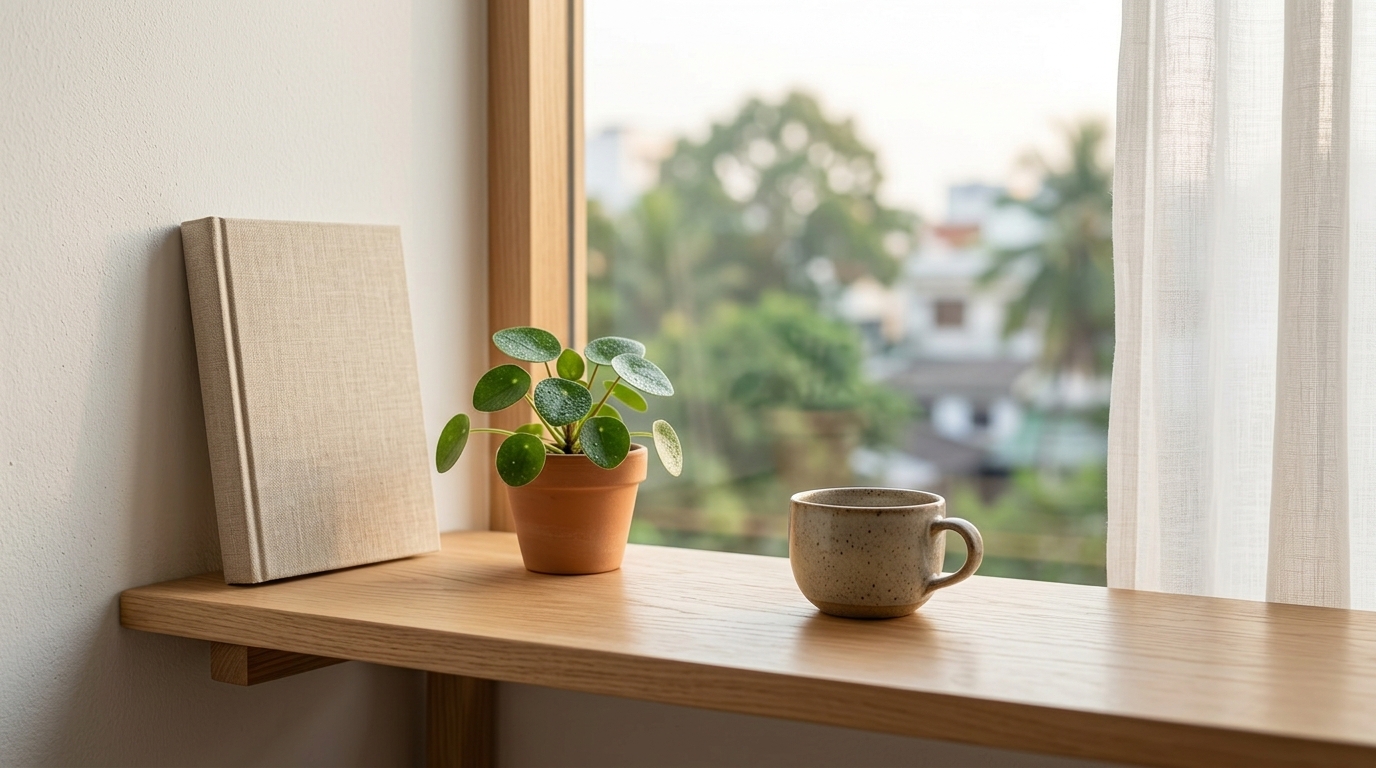
Most of us know the feeling of walking into a room full of piles and feeling the shoulders rise before we have done anything at all. Mindful decluttering is the practice of clearing a space slowly and with attention, asking of each object not “is this tidy?” but “does this belong in my life?” It is less about a perfect home and more about a home that does not pull at the mind.
It works best in small sessions, one drawer, one shelf, one surface at a time.
What Research Says About Clutter and Stress
A study by Darby Saxbe and Rena Repetti at UCLA, published in 2010 in Personality and Social Psychology Bulletin, looked at how people describe their homes and how their bodies respond. Participants in dual-income couples gave a video tour of their home and were later analyzed for the words they used, such as “clutter” and “unfinished” projects versus words about restful, nature-like spaces. The researchers also measured cortisol, the stress hormone, over several weekdays.
In the wives’ data, women who described their homes with more stress-related words had flatter cortisol patterns across the day, which is associated with poorer health outcomes, and their mood grew more depressed as the day went on. Women who described a restful home showed steeper, healthier cortisol patterns and a mood that improved over the day. The links held after accounting for marital satisfaction and neuroticism.
This was a small, correlational study, so it cannot show that clutter causes stress. It may be that stressed people notice clutter more. But it does show that how we experience our home is tied to how our body handles the day, which is a good reason to care about the space we come home to.
The Buddhist Source Behind This Practice
The Dhammapada, verse 204, in Acharya Buddharakkhita’s translation, says that health is the most precious gain and contentment the greatest wealth. The verse doesn’t tell anyone to own less. It points at the real source of ease: contentment, the sense of having enough.
That is the heart of mindful decluttering. The aim isn’t an empty room, but a relationship with things that is honest and light. When we ask what we actually use and value, the mind gets practice at the same skill the verse describes: noticing what is enough.
How to Declutter Mindfully
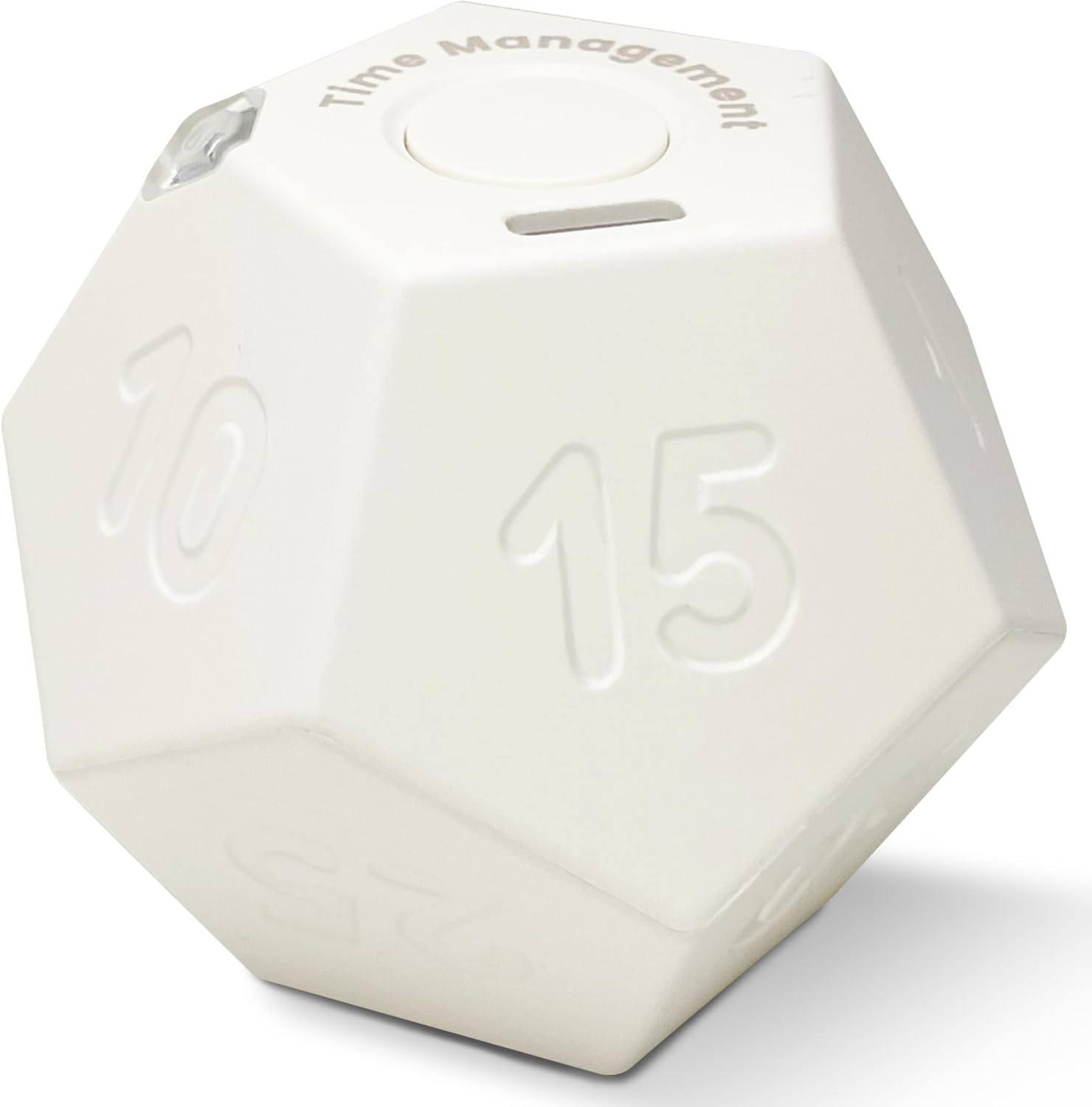
- Work in five-minute sessions. Set a timer, clear one small area, and stop when it rings. Short sessions are easier to repeat.
- Begin with one drawer or one shelf. A small, finished space gives a clear sense of progress.
- Hold each item and ask one question. Do I use this, or does it matter to me? Take one breath before deciding.
- Thank what you let go. A silent “thank you for your use” makes the decision feel kind instead of wasteful.
- Don’t buy storage first. More containers can hide the question instead of answering it.
- Stop while it’s still easy. Leaving a little energy for tomorrow keeps the habit going.
Mindful decluttering won’t make a home perfect, and it isn’t meant to. If it gives you one calmer shelf and one clearer question about what you really need, it has done its job.
To bring the same simplicity to the table, read Mindful Eating.
This article is part of the Learn library at Buddhism with Maitreya Dharma, where modern neuroscience and the Buddha’s teachings meet in practical, everyday language — no background in Buddhism required.